



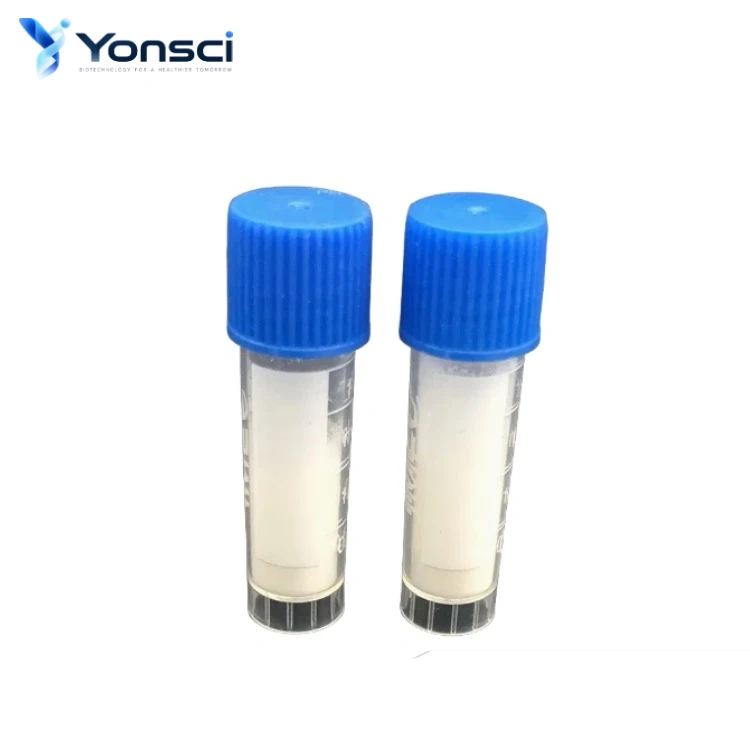
Vesilute Powder CAS 3918-84-1
Vesilute powder CAS 3918-84-1 (Glu-Asp) is a dipeptide bioregulator designed for advanced laboratory research into bladder function, prostate health, smooth muscle regulation, and male reproductive biology. As part of the Khavinson peptide family, Vesilute is recognized for its unique ability to modulate gene expression, support cellular repair, and improve the functional state of urogenital tissues.

- Product Introduction
Vesilute powder CAS 3918-84-1 - Peptide Bioregulator .Regenerative Peptide for Urogenital & Prostate Research
Vesilute powder CAS 3918-84-1 (Glu-Asp) is a dipeptide bioregulator designed for advanced laboratory research into bladder function, prostate health, smooth muscle regulation, and male reproductive biology. As part of the Khavinson peptide family, Vesilute is recognized for its unique ability to modulate gene expression, support cellular repair, and improve the functional state of urogenital tissues.
|
Property |
Details |
|
Peptide Name |
Vesilute (Glu-Asp) |
|
Dipeptide Sequence |
Glutamic Acid – Aspartic Acid (ED) |
|
Purity |
≥98% |
|
Molecular Weight |
~262.2 g/mol |
|
Form |
Powder |
|
Appearance |
White / off-white powder |
|
Storage (Dry) |
−20°C recommended |
|
Storage (After Reconstitution) |
2–8°C (short-term) |
|
Solubility |
Soluble in sterile water or research buffers |
|
Applications |
Urogenital tissue studies, prostate research, fertility models, smooth muscle physiology |
For laboratory research only. Not for human consumption, medical use, or dietary supplementation.
Vesilute Key Research Applications
Bladder Function & Smooth Muscle Regulation
Vesilute has been used in research exploring:
Modulation of detrusor (bladder smooth muscle) tone
Overactive bladder (OAB) models
Muscle relaxation pathways and glycogen-linked metabolic signaling
Inflammation and cellular stress responses in urinary tissues
Prostate Microcirculation & Tissue Health
Researchers utilize Vesilute to investigate:
Prostate microvascular function
Age-related changes in prostate tissue
Proliferation and regeneration pathways
Cellular repair under oxidative or inflammatory stress
Male Fertility & Reproductive Biology
Research interest includes:
Sperm maturation environments
Cellular conditions that influence sperm motility, viability, and morphology
Prostate-mediated reproductive functions
Epigenetic & Gene Regulation Studies
Vesilute may influence gene expression in:
Urogenital epithelial cells
Smooth muscle tissue
Microvascular endothelial cells
This makes it a useful model peptide for epigenetic regulation and tissue-specific peptide signaling pathways.
Mechanism of Interest
Cytomedin Activity:
Supports tissue-specific signaling and regulated gene expression.
Microcirculation Modulation:
Potential influence on local blood flow and vascular cell behavior.
Smooth Muscle Tone Regulation:
Interference with glycogen metabolism may reduce excessive contraction.
Cellular Repair & Homeostasis:
May promote normalized protein synthesis and cellular resilience.
Urogenital & Prostate Health Peptide Comparison
|
Feature / Function |
Vesilute (Glu-Asp) |
Testagen (Lys-Glu-Asp-Gly) |
Prostate Bioregulator / Prostamax |
Cartalax (Cartilage Peptide) |
Pinealon (Glu-Asp-Arg) |
|
Primary Target Tissue |
Bladder & Prostate |
Testes & Endocrine Axis |
Prostate |
Connective tissue / pelvic floor |
Nervous system / neuroendocrine |
|
Core Research Purpose |
Bladder function, smooth muscle regulation, prostate microcirculation |
Testosterone support models, fertility pathways, reproductive gland function |
Prostate cellular repair, inflammation & microvascular studies |
Pelvic tissue regeneration and structural support |
Stress response, aging, neuro-urogenital signaling |
|
Key Benefits (Research) |
Smooth muscle relaxation, microcirculation enhancement, sperm quality indicators |
Hormonal regulation, spermatogenesis, male vitality |
Anti-proliferative activity, prostate aging models, inflammation modulation |
Tissue regeneration & repair, structural integrity |
CNS–urogenital connection, anti-aging epigenetic effects |
|
Typical Use Cases |
Overactive bladder models, prostate studies, male fertility research |
Low-testosterone models, male reproductive biology, vitality peptides |
BPH research, prostate inflammation, androgen-related dysfunction models |
Pelvic health, stress-incontinence support models |
Urogenital aging, stress-mediated dysfunction |
|
Purity Standard |
≥98% |
≥98% |
≥98% |
≥98% |
≥98% |
|
Form |
20 mg lyophilized powder |
10 mg / 20 mg powder |
20 mg powder |
10 mg / 20 mg powder |
10 mg powder |
|
Research Category |
Bioregulator / cytomedin |
Bioregulator / hormonal axis peptide |
Organ-specific peptide |
Regenerative peptide |
Neuropeptide / epigenetic peptide |
Suggested Research Dosage
(For laboratory / experimental use only)
Typical experimental range: 10–20 mg per week, depending on model design.
May be divided into multiple aliquots for consistent study conditions.
Protocols vary based on tissue type, model, and experimental endpoints.
Order Vesilute powder CAS 3918-84-1 now – Limited Stock Available!
High-purity (≥99%) peptide for research. Limited stock available with fast, discreet worldwide shipping. Contact us for bulk or wholesale inquiries.
Hot Tags
Vesilute,vesilute peptide,urogenital peptide,prostate peptide,bladder peptide,male vitality peptides,bioregulator peptides,khavinson peptides,fertility peptides,smooth muscle peptides,microcirculation peptides,peptide research,regenerative peptides

Pls feel free to contact Vic for any questions:
Whatsapp: +852 9433 2308
Telegram: Your Telegram
Email: Jdy_gsyg@163.com
Laboratory Display

Customer Communication & Feedback

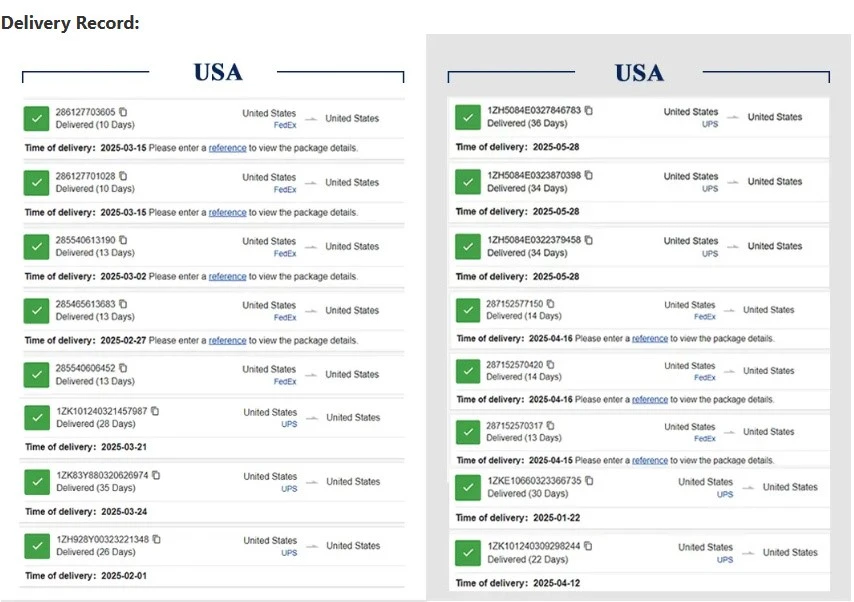
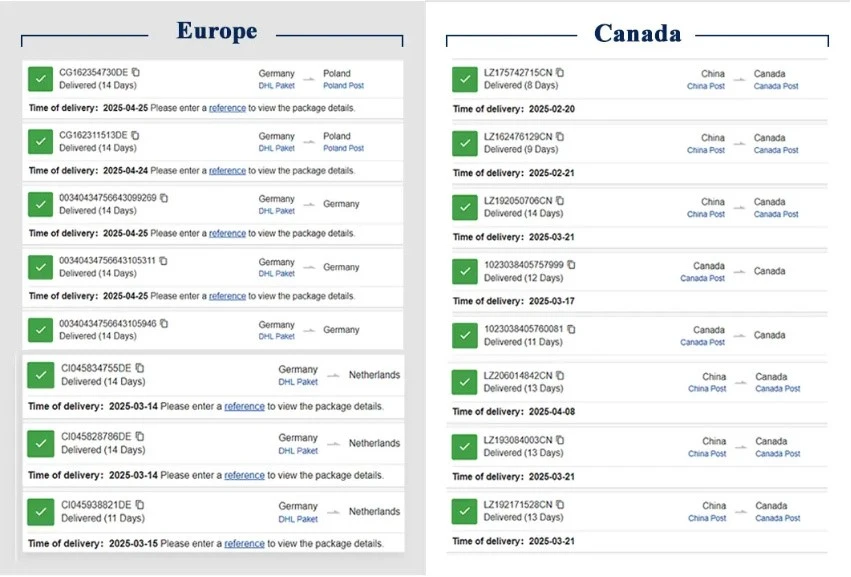
Mode of Transport
Hot Tags: vesilute powder cas 3918-84-1, China vesilute powder cas 3918-84-1 manufacturers, suppliers, factory, PT 141 for sexual enhancement, Atosiban CAS 90779 69 4, fmoc ile oh cas 71989 23 6, kisspeptin 54 human cas 374683 24 6, Atosiban oxytocin receptor peptide, Kisspeptin 10 for hormone regulation


